
Missile Production in Arkansas Set to Expand Under New Pentagon and Lockheed Martin Deal
A new seven year Pentagon and Lockheed Martin agreement will significantly expand Patriot missile production in Camden, Arkansas, strengthening the state’s defense and aerospace industry.

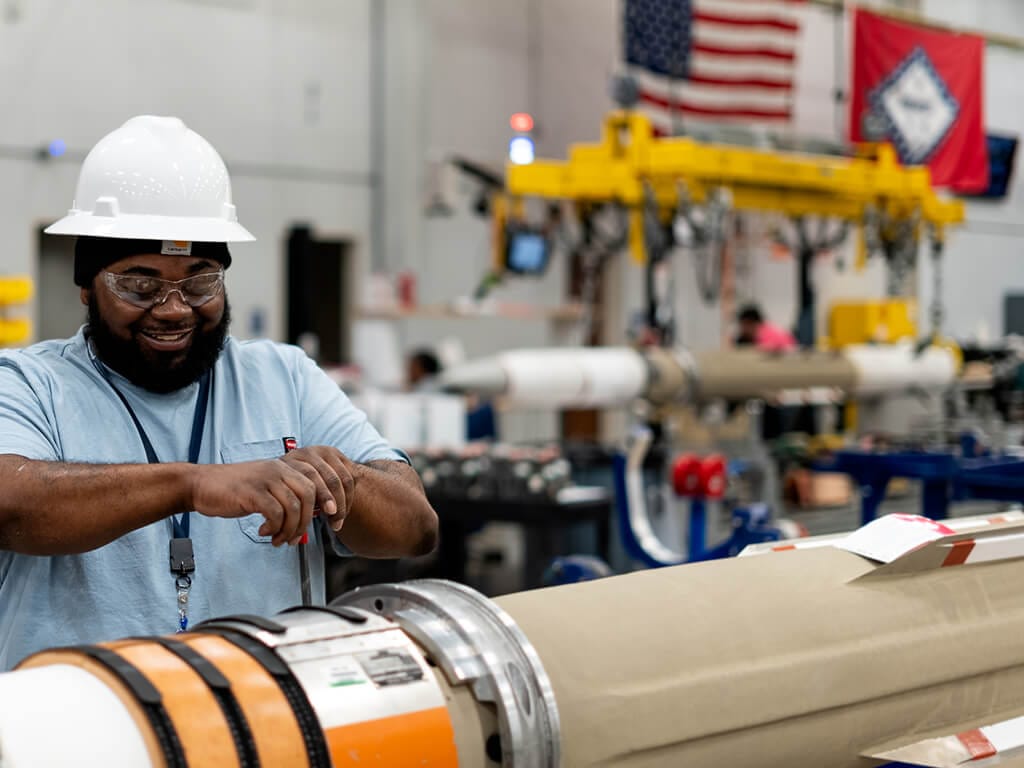
As global tensions push demand for advanced military systems higher, a landmark agreement between the Pentagon and Lockheed Martin is set to significantly expand missile production in Arkansas. Valued at nearly $10 billion, the deal is expected to strengthen the state’s defense and aerospace sector, a cornerstone of Arkansas’ economy and a major source of local jobs.
On Jan. 6, officials announced a unique seven-year contract designed to increase production of advanced Patriot system missiles from roughly 600 units a year to about 2,000. The agreement, however, still requires congressional approval and appropriations before it can be fully implemented.
A Different Model for Defense Procurement
In a press release, Lockheed Martin described the contract as a departure from traditional weapons procurement agreements, offering long-term certainty in demand. Standard contracts typically cover only short-term needs, making it difficult for companies to plan and invest. Under the new arrangement, the company said, industry partners can boost production, invest with greater confidence, and improve operational efficiency.
The agreement also includes a collaborative financing approach designed to maintain initial cash neutrality. According to Lockheed, this setup enables manufacturers to expand production capacity while meeting Pentagon requirements. The company described the deal as a substantial and reliable investment framework aimed at supporting sustained industrial growth.
A Major Boost for Lockheed Martin and Its Camden Plant
Although the expanded agreement did not include a specific dollar figure, the cost of a PAC-3 Patriot Advanced Capability Missile Segment Enhancement interceptor ranges from $4 million to $7 million. Based on those estimates, the total value of the deal could fall between $8 billion and $14 billion.
Such a scale of investment represents a major boost for Lockheed Martin, which employs more than 1,000 workers in Arkansas and operates a combined manufacturing and support complex in Camden covering more than 2.2 million square feet. The facility spans over 2,400 acres and has long served as a cornerstone of the region’s defense manufacturing economy.
In addition to producing PAC-3 missiles, the Camden plant manufactures components for the Multiple Launch Rocket System, the Tactical Missile System missile, and the High Mobility Artillery Rocket System launcher. Camden’s broader defense ecosystem also includes Aerojet Rocketdyne, which employs more than 1,100 workers at its Highland Industrial Park facility. That site produces more than 75,000 solid rocket motors annually, most of them for Lockheed Martin programs.
Industry officials and local leaders say the expanded missile production is likely to have ripple effects throughout Camden’s defense network. The increase could bring new contracts, additional investment, and a surge of economic activity, further cementing the city’s role as a key hub in both the national defense industry and Arkansas’ wider economy.
Company and Pentagon Statements
Lockheed Martin Chairman, President, and Chief Executive Officer Jim Taiclet praised the Pentagon’s approach in a prepared statement.
“We appreciate the Department of War’s leadership in advancing acquisition reform,” Taiclet said. “This first of its kind approach builds on years of advocacy and collaboration to bring commercial practices to major acquisition programs. We will create unprecedented capacity for PAC 3 MSE production, delivering at the speed our nation and allies demand while providing value for taxpayers and our shareholders.”
Speaking later during a Tuesday press conference, Taiclet said the company’s long term production goal is to reach 2,000 missiles a year by 2030.
“We will have to get the whole supply chain up to speed as well,” he said. “So we are going to increase production rates gradually. The contract will reflect the exact numbers once it is finalized, but we do have a clear North Star target of 2,000 missiles a year by the end of 2030.”
Taiclet did not specify how many new jobs the expansion would create.
“The actual number of people will be determined once the contract and the specific yearly milestones are identified,” he said. “It will be meaningful, but it will not be overwhelming.”
The Pentagon said it also plans to expand support for Lockheed Martin’s suppliers. In a statement, officials said the department “will work with key suppliers of PAC 3 MSE to deliver seven year subcontracts to ensure facilitization investments and component production capacity also expand to meet the increased demand for all up rounds.”
Global Realities Drive Demand
Since the Covid-19 pandemic, escalating geopolitical tensions have kept demand for U.S. defense systems high. For Lockheed Martin and the Pentagon, orders for PAC-3 Patriot missiles have surged, fueled by the Russian invasion of Ukraine, ongoing conflicts around the world, and growing arms sales to NATO and Middle Eastern allies.
In 2025, Lockheed Martin delivered more than 24,000 missiles and fire control systems to the U.S. military and allied nations, with demand expected to continue increasing in the coming years. Company officials say the newly announced seven-year agreement will create long-term opportunities for the defense industry and strengthen Arkansas’s role in the national defense manufacturing landscape.