A New State Park in the Ozarks as Arkansas Widens Its Natural State Initiative
Arkansas takes steps to name Blanchard Springs Caverns its fifty third state park, further extending the Natural State Initiative.

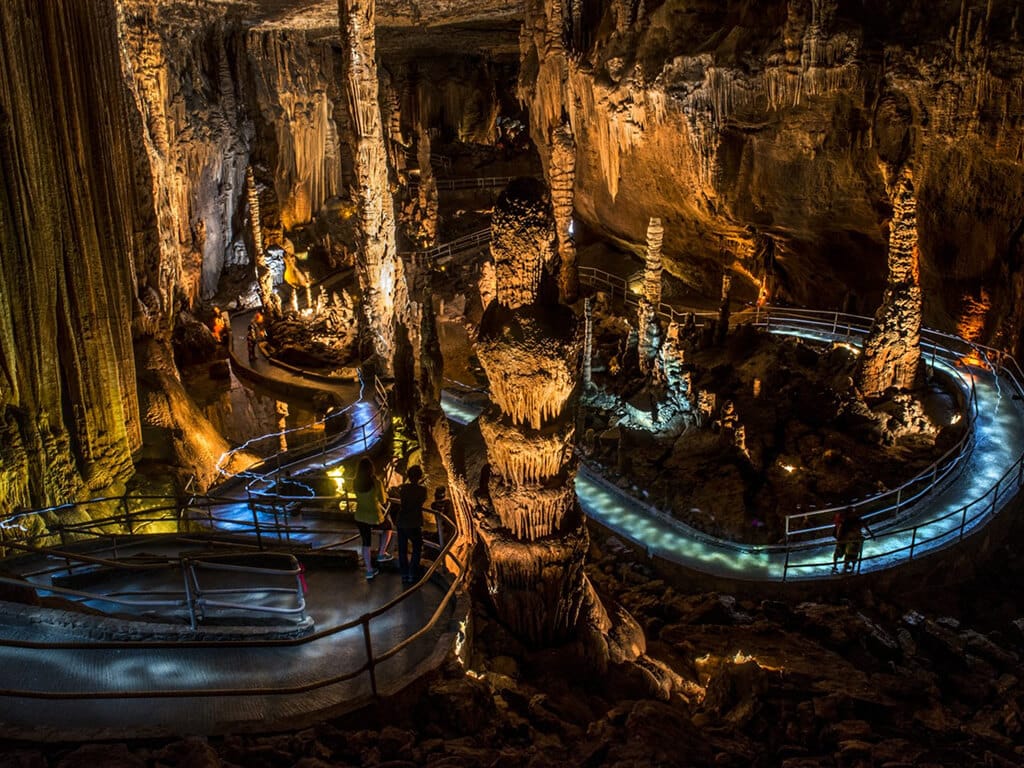
Arkansas is moving to expand its park system with a significant new addition. Governor Sarah Huckabee Sanders and Arkansas Department of Parks, Heritage and Tourism Secretary Shea Lewis have signed a memorandum of understanding with the United States Forest Service to start the formal process of naming the Blanchard Springs Caverns Complex as the state's fifty-third state park.
The step builds on the Natural State Initiative launched in January 2023 by Governor Sanders and First Gentleman Bryan Sanders. Adding Blanchard Springs Caverns to the State Parks system supports the initiative’s aim of pairing conservation with rural economic development. The agreement is set to improve visitor services, strengthen cultural and environmental protections, and boost coordination between state and federal agencies on staffing and facility upgrades.
A Living Cave System in the Heart of the Ozarks
Just outside the small Stone County community of Fifty Six in north central Arkansas, the Blanchard Springs Caverns Complex rises as the state’s second largest cave system, located within the Sylamore District of the Ozark National Forest. One of the nation’s few federally managed living caves, Blanchard Springs is defined by active formations and one of the largest flowstones in the United States. The site stretches across 8.5 miles of limestone caverns and includes Arkansas’ only major Forest Service visitor center, along with a campground, swim beach, picnic area, and multiple trails. An underground creek winds through the caverns before joining the White River.
The visitor center offers two signature guided tours. The Dripstone Tour carries guests along a half mile path through some of the caverns’ most ornate chambers, featuring stalactites, soda straws, a natural bridge, and the Cathedral Room, a vast space more than one thousand feet long with a stone column rising over six stories high.
The Discovery Trail traces the underground stream that shaped the caverns, descending 366 feet to reveal Rimstone Dams, the natural entrance, and the shadowed Ghost Room. Seasonal Wild Cave Tours provide a more challenging adventure, guiding visitors into undeveloped sections of the cave system.
Officials note that the caves’ designation as a state park builds on existing Natural State Initiative projects aimed at expanding trail networks, improving access to state parks, and creating Outdoor Opportunity Zones. Blanchard Springs offers both visitors and residents a rare window into a living, active ecosystem at the heart of the Ozarks.
Economic and Environmental Impact
Since opening in 1973, the caverns have welcomed more than seventy thousand visitors each year. These visitors provide significant economic support to surrounding communities and local businesses. Elevating the Blanchard Springs Caverns Complex to state park status is expected to further enhance its regional economic contribution.
The site would serve as a central tourism hub that complements a wide range of outdoor activities. Visitors can pair a trip to the caverns with boating and trout fishing on the White River, hiking and biking in the Ozark National Forest, camping, or other water based recreation. Officials stress that the planned state park will expand and connect existing attractions rather than compete with them, creating a more integrated network of outdoor experiences across the region.
State park designation would also strengthen long term conservation efforts. Geologists estimate that the interior of the cave has remained structurally unchanged for more than ten thousand years, yet rising visitation brings risks such as erosion, habitat disturbance, and unmanaged development. Under state park management, Blanchard Springs Caverns would receive permanent protections, including managed access, designated trails, and proactive environmental safeguards. These measures are designed to preserve a delicate ecosystem that supports endangered gray bats, rare salamanders, and one of the most complex cave environments in the Ozarks.
State and Tribal Perspectives
Governor Sarah Huckabee Sanders said the designation aligns directly with the goals of the Natural State Initiative. “From the moment we launched the Natural State Initiative, our mission has been clear: protect what makes Arkansas special and build an outdoor economy that supports every corner of our state,” she said. “Blanchard Springs Caverns is a jewel of the Ozarks, and by kickstarting the process to designate it as a state park, we are preserving its cultural and environmental legacy while creating new opportunities for tourism, jobs, and year round adventure.”
Sanders added that Blanchard Springs Caverns “will elevate the best state parks in America” and “can rival Carlsbad Caverns or Mammoth Cave,” national parks in New Mexico and Kentucky. Sanders also expressed gratitude to leaders of the Caddo, Osage, and Quapaw nations for their assistance in the process.
The Osage Nation considers Blanchard Springs Caverns a sacred site. The park’s annual Christmas caroling in the caverns was paused in 2019 due to the tribe’s concerns. The event resumed in 2023 after state officials and Osage leaders agreed to move the caroling from the underground Cathedral Room to an aboveground auditorium, according to the Arkansas Democrat Gazette.
Bryan Sanders, First Gentleman of Arkansas, said in a news release that the state’s natural beauty is one of its greatest strengths. “Designating it as a state park will not only protect this incredible place but also open the door to more adventure, exploration, and the kind of outdoor experiences that support families and local communities,” he said.
Arkansas Department of Parks, Heritage and Tourism Secretary Shea Lewis highlighted the benefits of the partnership with the Forest Service. “The creation of Blanchard Springs State Park will enrich the experiences across the caverns as well as outdoor recreation such as paddling, camping, and mountain biking. Its proximity to the Ozark Folk Center will bring more overnight guests and support local communities,” he said.
Senator Missy Irvin of District 24 emphasized the significance of the caverns for Stone County. “Blanchard Springs Caverns is not only one of the most magnificent and largest living cave systems in the world, it is also the heart of the Ozarks. Today’s announcement is a monumental action that secures the future of this incredibly valuable asset for Stone County and for the entire state of Arkansas. The local economy is driven by tourism, and the caves are critical for my rural area of the state, and especially for my town of Mountain View,” she said.
Irvin also noted that the collaboration between the USDA, United States Forest Service, and the Arkansas Department of Parks, Heritage and Tourism represents an “incredible opportunity to be the best stewards of the resources God has given us and to drastically increase tourism in the state of Arkansas.” She expressed gratitude to President Trump, Governor Sanders, Secretary Brooke Rollins, and the teams at both agencies for their support.
Expanding Arkansas’ Park Network and Conservation Efforts
If approved, Blanchard Springs would join well-known state parks such as Pinnacle Mountain, Petit Jean, and Crater of Diamonds, each offering visitors a distinctive and memorable experience. The designation is part of Arkansas’ ongoing efforts to expand its park system and strengthen conservation initiatives.
On December 4, the Northwest Arkansas Land Trust announced the permanent protection of the 769-acre White River Headwaters Preserve. The property features upland hardwood forest in the Ozark Highlands Karst region of southern Madison County and safeguards a critical portion of the Beaver Lake watershed.
The preserve will provide opportunities for public recreation as well as historical and ecological research. Alongside the designation of Blanchard Springs as a state park, these efforts highlight Arkansas’ commitment to preserving its natural heritage while fostering economic growth through outdoor tourism and recreation.