With $208 Million in Federal Aid, Arkansas Begins an Effort to Reinforce Rural Health Care
Arkansas has been awarded $208.8 million in federal funding to strengthen rural health care, addressing hospital closures, workforce shortages, and access gaps as part of a nationwide Rural Health Transformation program.

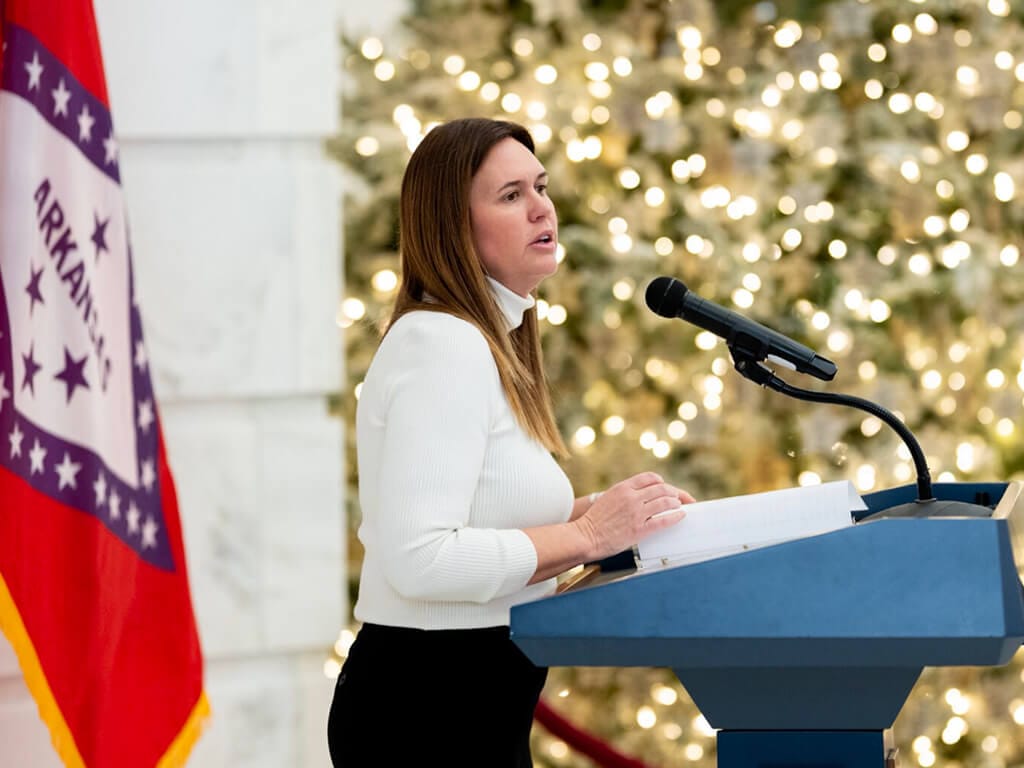
As pressure grows to stabilize a rural health care system under increasing strain, Arkansas has secured a substantial infusion of federal funding. Gov. Sarah Huckabee Sanders announced Tuesday that the state has been awarded $208.8 million to strengthen rural health care across Arkansas. While the funding represents roughly a quarter of the $1 billion the state requested, state officials say it is being treated as an initial installment, with additional funding expected in future rounds.
Federal Award and State Response
State leaders praised the award as a significant step forward. “Today’s announcement shows that President Trump and his administration place a priority on improving rural health and Making America Healthy Again,” Sanders said. “Our state went above and beyond in the application process to secure an outsized portion of the funds available through the Rural Health Transformation Program because we know that Arkansas’ smaller communities deserve just as much support as any other region of our state. I’m excited to get to work quickly on Arkansas’ innovative approach to this program and deliver the care our people deserve.”
Republicans have praised the Rural Health Transformation Program, through which the funding is being distributed. The program was created under the One Big Beautiful Bill Act and is expected to distribute a total of $50 billion to states over the next five years, with additional awards to be announced in future funding rounds.
Arkansas submitted its application for $1 billion in total funding on Oct. 31. The application incorporated feedback from stakeholders across the state, including physicians, nurses, pharmacists, hospitals, and other health care providers. Input was also gathered from higher education institutions and community based nonprofit organizations.
Rural Health Care Under Strain
Arkansas’ rural health care system is among the most challenged in the nation. With about 45 percent of residents living outside urban centers, the state is one of the most rural in the country. This widespread rural population has created significant challenges for both access to care and the financial stability of local health facilities.
State records show that nearly 30 of Arkansas’ 47 rural hospitals are at risk of closure, including 11 facing an immediate threat of insolvency. About 79 percent of rural hospitals operate at a loss on patient services. Fewer than half of the state’s 75 counties, only 25, still maintain labor and delivery units, and the rate of pregnancy-related deaths in rural areas is double that of urban communities.
State leaders have consistently emphasized that improving access to care and strengthening health outcomes is critical to enhancing quality of life, particularly for residents in smaller and more isolated communities.
Four Initiatives Driving the Plan
Arkansas’ funding proposal centers on four key initiatives aimed at addressing gaps in access, workforce shortages, and long-term sustainability in rural health care. Gov. Sanders highlighted the importance of public input throughout the process, and the administration established an online portal that collected more than 300 ideas from across the state on how the funding should be used.
The first initiative, Healthy Eating, Active Recreation, and Transformation (HEART), focuses on improving health outcomes and expanding access to preventive care. The program emphasizes a coordinated, community-driven approach to nutrition, physical activity, and chronic disease management.
The second initiative, Promoting Access Coordination and Transformation (PACT), is designed to bring specialty care, preventive screenings, telehealth services, and trauma-ready care to rural communities. PACT also aims to foster locally driven, clinically integrated networks to enhance efficiency, improve data sharing, and strengthen regional collaboration.
The third initiative, Recruitment Innovation Skills and Education for Arkansas (RISE AR), focuses on building and sustaining the rural health care workforce. The program includes expanded physician residencies and other clinical training programs, provides incentives to recruit and retain health care professionals in rural Arkansas, and offers training to ensure leaders and board members of local hospitals and clinics are prepared to implement the changes required in rural health care delivery.
The fourth initiative, Telehealth Health Monitoring and Response Innovation for Vital Expansion (THRIVE), will use artificial intelligence to coordinate patient records across health care systems. It also provides funding for telehealth platforms, technology-enabled monitoring for chronic conditions such as diabetes and high blood pressure, and upgrades to emergency medical transport and services.
Specific funding amounts for each initiative will be announced at a later date. State lawmakers provided feedback throughout the development of the application, helping shape the programs to address the state’s most pressing rural health care challenges.
Looking Ahead
The Centers for Medicare and Medicaid Services (CMS) plans to distribute a total of $50 billion to all 50 states over the next five years. For 2026, Texas, Alaska, California, Montana, and Oklahoma received the largest allocations, while Arkansas also secured a significant portion, with hopes that future rounds will provide the state an even larger share.
The current award covers the federal fiscal year ending Sept. 30, 2026. Responsibility for how the funds are ultimately spent now rests with the Arkansas government. State officials say the funding is expected to improve rural health care access and stability, though the full impact will depend on how effectively the programs are implemented and maintained over time.