Arkansas Medical Marijuana Hits a Sales High as a Court Ruling Raises New Questions
Arkansas medical marijuana sales reached a record $291.1 million in 2025, but a recent court ruling allowing lawmakers to amend voter approved amendments has raised new questions about the program’s future.

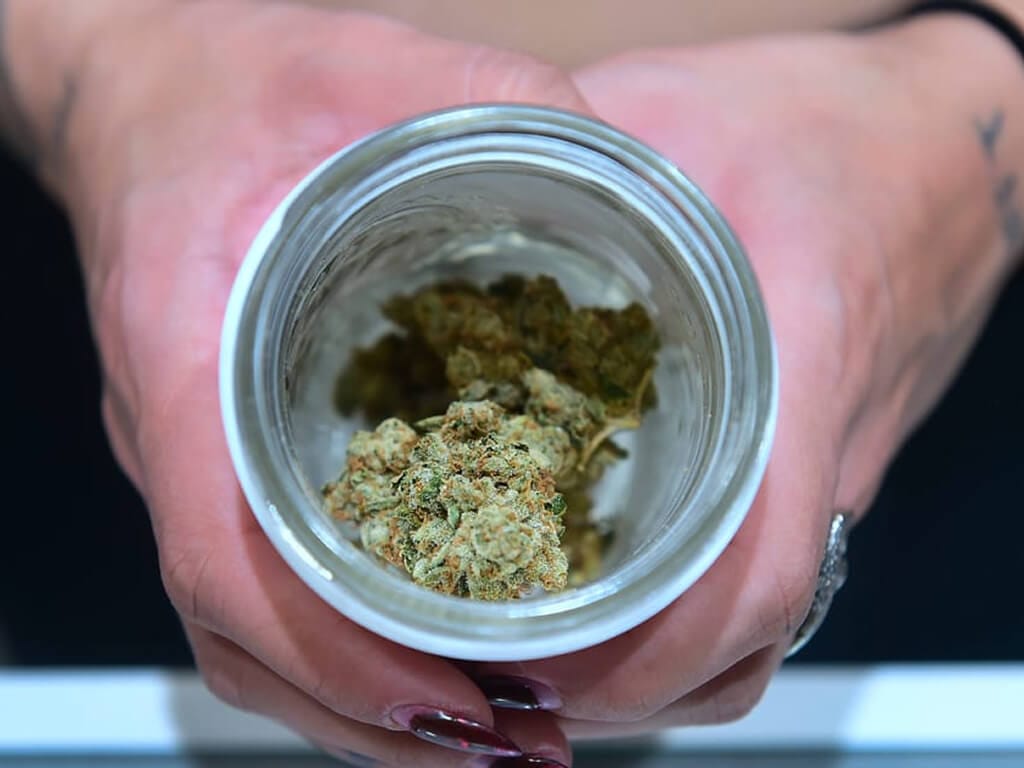
Arkansas medical marijuana sales set a new annual record in 2025, capping another year of steady growth for an industry that has expanded rapidly since legalization in 2019. What began as a tightly regulated medical program has grown into a billion dollar market, with 2025 marking its strongest performance to date.
Total sales reached $291.1 million, a 5.5 percent increase over 2024, according to figures released by the Arkansas Department of Finance and Administration on Friday, Jan. 23. The previous annual sales record was $283 million in 2023. In 2025, the state’s 37 licensed dispensaries sold 79,223 pounds of medical marijuana, up 4.8 percent from 75,598 pounds in 2024.
Despite that continued growth, the industry now faces a new source of uncertainty following a court ruling that could allow lawmakers to amend the voter approved constitutional amendment that established Arkansas’ medical marijuana program.
From Ballot Measure to Billion Dollar Industry
Arkansas voters approved the constitutional amendment legalizing medical marijuana in November 2016, with 53 percent voting in favor and 47 percent opposed. The amendment legalized marijuana for 17 qualifying medical conditions and created the state Medical Marijuana Commission.
Since sales began in 2019, more than $1.6 billion has been spent at Arkansas dispensaries, according to the Department of Finance and Administration. “The industry certainly rebounded in 2025 with a new sales record, following a decrease in sales the previous year,” said DFA spokesperson Scott Hardin.
The long term growth of the program has been striking. In its first year of operation in 2019, medical marijuana sales totaled $31.32 million. By 2025, annual sales had climbed to $291.1 million, underscoring how quickly the industry has expanded statewide.
For many patients who struggled to find medication that alleviated chemotherapy side effects, marijuana provided relief. More than 115,000 Arkansas patients now use medical marijuana to treat conditions ranging from Crohn’s disease to post traumatic stress disorder.
The Arkansas Department of Health reports 115,113 active patient cards, an increase of 5.1 percent compared with February 2025 and an 18.2 percent increase compared with the beginning of 2024.
A Court Ruling That May Challenge the Landscape
Concern has grown among patients and advocates following a December court ruling that determined state lawmakers can amend citizen led constitutional amendments.
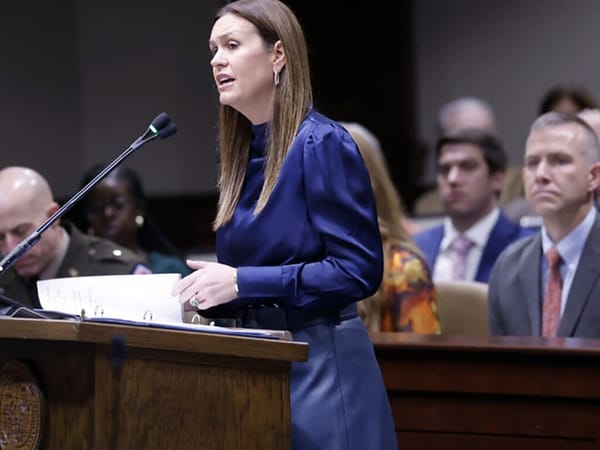
An obscure legal dispute over who has the authority to change citizen initiated amendments to the Arkansas Constitution has cast uncertainty over the future of the medical marijuana program. In December, the Arkansas Supreme Court overturned 74 years of precedent by ruling that lawmakers can amend citizen-led constitutional amendments with a two thirds vote. That threshold requires 67 votes in the House and 24 votes in the Senate.
The decision stemmed from a case challenging the Legislature’s passage of laws amending the Arkansas Medical Marijuana Amendment. However, the ruling extends beyond medical marijuana and applies to all citizen led constitutional amendments, including those affecting casinos.
Arkansas is one of 24 states that allow citizens to propose state laws, according to the National Conference of State Legislatures. Similar legal battles over ballot measures are playing out in states such as Missouri and Nebraska.
Push for a New Ballot Measure
David Couch, a Little Rock attorney who helped draft the medical marijuana amendment, said the ruling adds significant pressure for a new ballot measure backed by Save AR Democracy to succeed.
If the measure qualifies for the 2026 ballot and is approved by voters, it would prohibit lawmakers from changing the Arkansas Constitution on their own and would require voter approval for any new law affecting the initiative and referendum process.
Although Couch said he understands how the court reached its conclusion, he believes the justices misapplied the law.
“The thing that bothers me the most is they applied it retroactively, not prospectively,” Couch said. “They upended 115 years of work by the people of the state of Arkansas on these initiatives.”
The group must collect 90,704 signatures by July 3 to qualify for the ballot.
Lawmakers Respond
Republican Rep. Aaron Pilkington of Knoxville said the court ruling affirmed what he had long believed to be true, though he does not believe lawmakers are eager to alter popular amendments.
Pilkington took office in 2017, shortly after voters approved medical marijuana. He said that while Republicans were not generally in favor of the amendment, party leaders did not attempt to block what voters had approved.
“I think we’ve actually shown a history of even if maybe the Legislature doesn’t necessarily agree with it, they’re going to honor the wishes of the voters,” Pilkington said. “Because had we not, had we tried to force this issue back then or cause this and that, I think you would have seen repercussions in those next elections.”
Pilkington has since sponsored legislation related to medical marijuana, including an unsuccessful proposal to allow dispensary delivery. He said there may be limited adjustments to the program but expressed reluctance to amend it, particularly given the increasing revenue it generates for state programs.
Legislative Authority and Limits
Pilkington said the authority to amend constitutional amendments could be used sparingly to address policies that are not working as intended or to reflect changes in perspective over time.
Senate President Pro Tempore Bart Hester said the ruling also allows lawmakers to address urgent issues without waiting two years for a general election. The Arkansas Constitution can be amended either through voter approval of measures proposed by lawmakers or by citizen initiatives that qualify for the ballot through petition circulation.
Proposed amendments are considered every two years during general elections. While Republicans currently hold supermajorities in both chambers, Hester said achieving a two thirds vote remains a difficult threshold regardless of party control.
The Cave Springs Republican said lawmakers would likely wait until the 2027 legislative session to review citizen led amendments, particularly those that received significant financial backing from out of state interests. He mentioned medical marijuana and casino amendments as examples of large measures with multiple provisions.
“I think that it might be reasonable that the Legislature look at them a little bit at a time versus holistically, and I think that’s the responsible thing to do,” Hester said.
Hester also noted that lawmakers can amend the medical marijuana amendment but cannot repeal it outright, leaving room to scale the program back or expand it without eliminating it.
Revenue, Regulation, and an Open Question
Medical marijuana continues to generate substantial tax revenue for the state. The two state taxes that apply to medical marijuana generated $32.3 million in 2025 and have totaled more than $218.32 million since 2019.
A 6.5 percent state sales tax applies to each purchase patients make at a dispensary. In addition, a 4 percent privilege tax applies both to purchases made at dispensaries and when a cultivator sells product to a dispensary. Most of the tax revenue is deposited into the University of Arkansas for Medical Sciences National Cancer Designation Trust Fund.
The state also collects a cultivator privilege tax, meaning tax revenue is not always directly tied to the amount of product purchased by patients or the final retail price at dispensaries.
Beyond revenue, the legal market has reduced the harmful effects of illegal trade while providing regulated access for patients who rely on marijuana for medical treatment. Amid these benefits, whether lawmakers may seek to curb or reshape the program remains an open question. While medical marijuana remains a moral and political issue for some conservative and far right groups, any significant changes could carry economic, medical, and regulatory consequences across the state.